
Cart is empty
Gifts That Give Back to the Community: The Power of Cause-Related Corporate Gifting
09/04/2024
As businesses increasingly recognise the importance of socially responsible sourcing, traditional corporate gifting is being redefined. Cause-related corporate gifting allows companies to make a difference where it matters most—not just for clients or employees, but for disadvantaged communities.
A Gift Beyond the Office
The essence of cause-related corporate gifting lies in its ability to extend goodwill beyond the corporate environment. With Meekono, your organisation can support often-overlooked communities, providing essential resources that can change lives. These gifts are not merely tokens of appreciation; they are lifelines that connect your brand to the wider world, contributing to social impact on a larger scale.

Unlocking the Power of TikTok: Essential Strategies for Small Business Growth
02/27/2024
Remember the days when lip-syncing and viral dances dominated TikTok? In social media terms, it seems like many ages ago. While those elements remain part of the application’s appeal, the platform has undergone a metamorphosis, transforming itself into something far more multifaceted.
Think YouTube's vast video library meets Pinterest's visual inspiration boards, all rolled into a dynamic, interactive experience. With the latest updates, TikTok is setting itself up as the brainchild of these two giants, catering to a diverse audience hungry for entertainment and solutions.
But wait, there's more! TikTok isn't just about fun and frivolity. It's also becoming a hub for informative, bite-sized video content, spanning various topics and catering to a wide range of interests. So, whether you're looking for quick DIY hacks, insightful industry updates, or simply a laugh, TikTok has something for everyone.

From Browsing to Buying: Your Guide to Winning Over Wholesale Buyers
02/11/2024

Photo by Surface on Unsplash
Our goal is to facilitate the wholesaling of handcrafted, heritage, and natural products. We understand that vendors' success directly impacts our success, which is why we equip them with the tools they need. To help our vendors convert browsing buyers into loyal business partners, we've compiled a list of the top 10 considerations that wholesale buyers may have when browsing for wholesale products.
Sell More with Stunning Photos: Mastering Product Photography for E-commerce
02/11/2024
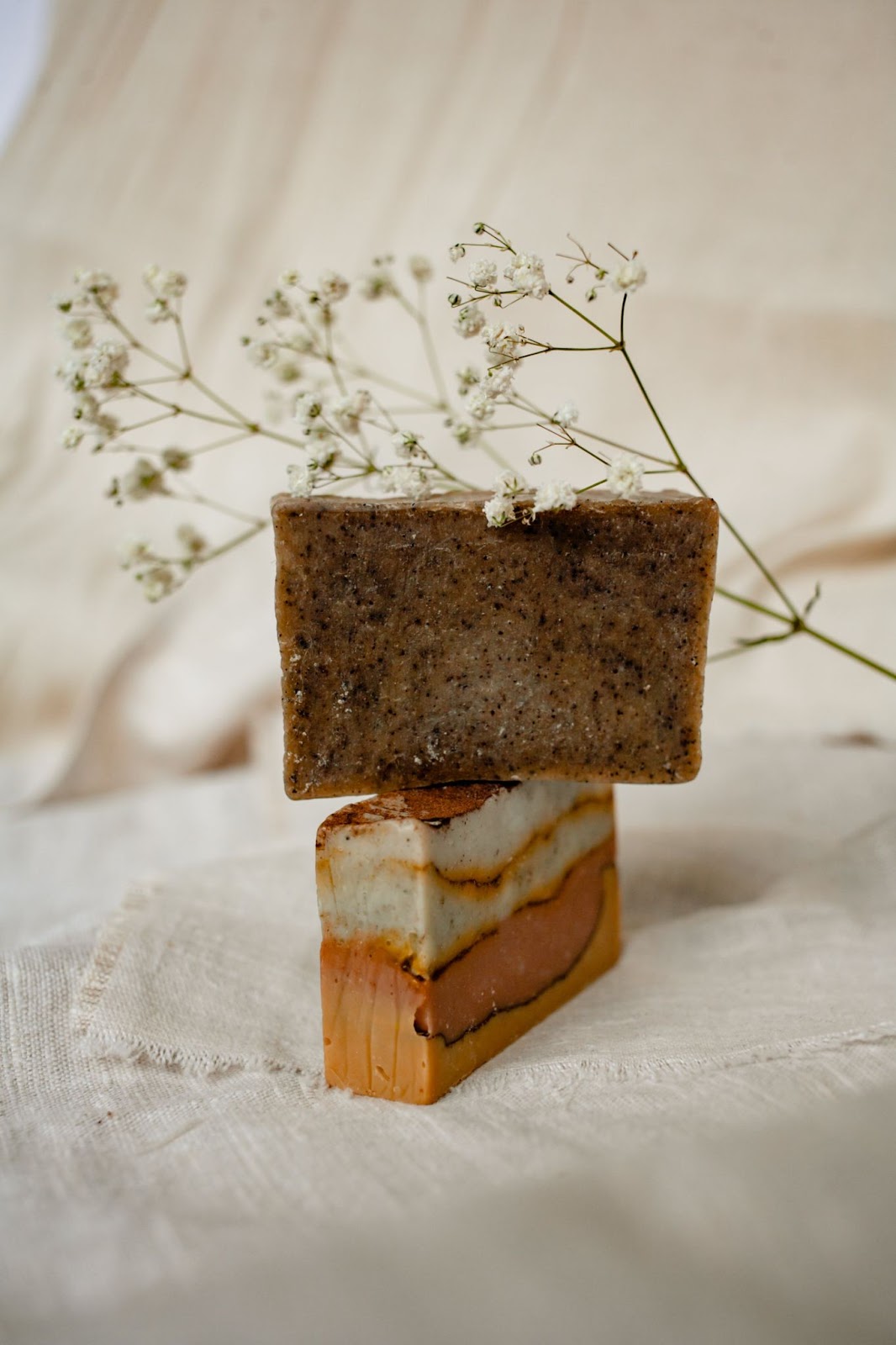
Photo by Polina Kovaleva| Pexels.com
In the world of e-commerce, where the competition is fierce and attention spans are short, having captivating product images can make all the difference. As Hiral Jethwa points out in the podcast 'The Resilient Retail Game Plan,' product photography is akin to a shop window for your products. In this blog post, we will explore some essential tips for capturing eye-catching product images that will not only grab attention but also increase sales.
Elevate Your Thanksgiving Celebrations and Practice Corporate Social Responsibility with Meekono
11/17/2023
As the aroma of pumpkin pie and cinnamon fills the air, we eagerly anticipate the joyous festivities of Thanksgiving. This cherished holiday is not only a time for indulging in delectable feasts but also an opportunity to express gratitude and create memorable moments with loved ones. Meekono offers a delightful array of premium products to elevate your Thanksgiving celebrations and infuse your designs with a touch of African elegance. Here's how you can practice corporate social responsibility (CSR), along with embracing the essence of gratitude.

(Image Source: Photo by Priscilla Du Preez)
OCTOBER GIFT PICKS
10/18/2023
Laini Money Clip
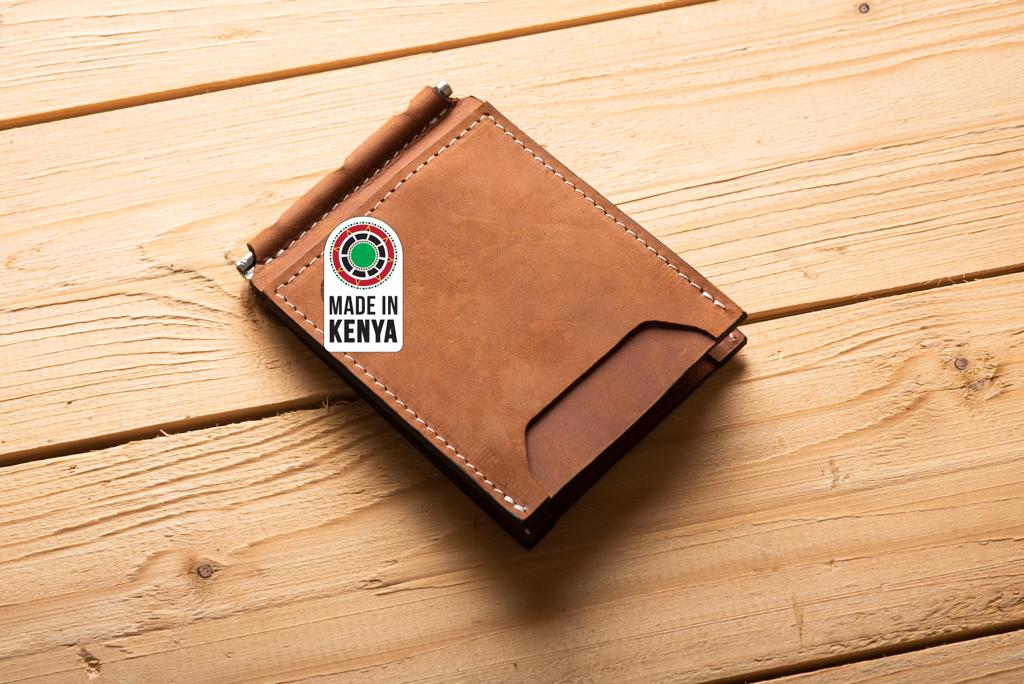
A sleek and practical accessory designed for the modern, minimalist gentleman. Typically crafted from classic genuine leather, this bifold clip comes in Tan and Mocha with multiple card slots. It offers a stylish and minimalist alternative to the traditional wallet. Its primary function is to securely hold bills and cards in place, ensuring they remain organized and easily accessible. Men appreciate money clips for their slim and compact design, which fits comfortably in a front pocket without adding bulk. This money clip is a statement piece that reflects one's taste and sophistication.
Navigating the E-Commerce Era: Strategies for Brick-and-Mortar Retail Success
10/06/2023

In today's fast-paced world, where the convenience of online shopping reigns supreme, brick-and-mortar retailers face a unique challenge: how to attract and retain customers in the age of e-commerce. As a business owner in the retail industry, you're well aware of this shift in consumer behaviour. We come into contact with owners, most of whom are independent retailers who have successfully adopted winning strategies to keep their customers loyal, engaged, and buying. Here are some of those strategies that will not only help your brand survive but also thrive in this digital age.
African Design Inspirations for Interior Designers
10/03/2023

(Image Source: Martin Gene)
In the world of interior design, inspiration can be found in every corner of the globe. One of the most culturally rich and vibrant sources of inspiration is Africa, a continent with a diverse and storied history. African art, craftsmanship, and culture have long captivated the imagination of designers worldwide. We'll delve into the world of African design inspirations, exploring how interior designers can infuse spaces with the essence of this unique and multifaceted continent.
The Power of Social Media Storytelling for Your Handicraft Brand
09/16/2023

In today's global marketplace, where consumers are increasingly seeking culture-rich, meaningful products that tell stories of heritage, craftsmanship, and sustainability, it's essential for businesses creating and selling African handicrafts to stand out.
One way to do this is through creative storytelling. By sharing the stories behind these beautiful works of art, entrepreneurs can connect intimately with their customers and build loyalty and lasting relationships.
However, sometimes storytelling can feel intimidating. Even more intimidating is the vast range of social tools and the changing nature of the media through which these stories must be told.
Unique Handcrafted Gifts: Meekono's August Gift Guide by the Marketing Team
08/23/2023
As the holiday season approaches, it's the perfect moment to infuse a touch of Africa's natural wonders into your Christmas celebrations. The Meekono Marketing Manager has curated a special collection of our continent's favourites– gifts that resonate with eco-consciousness and sustainability. Here's a glimpse into the gifts that we believe would be a splendid addition to your holiday season:
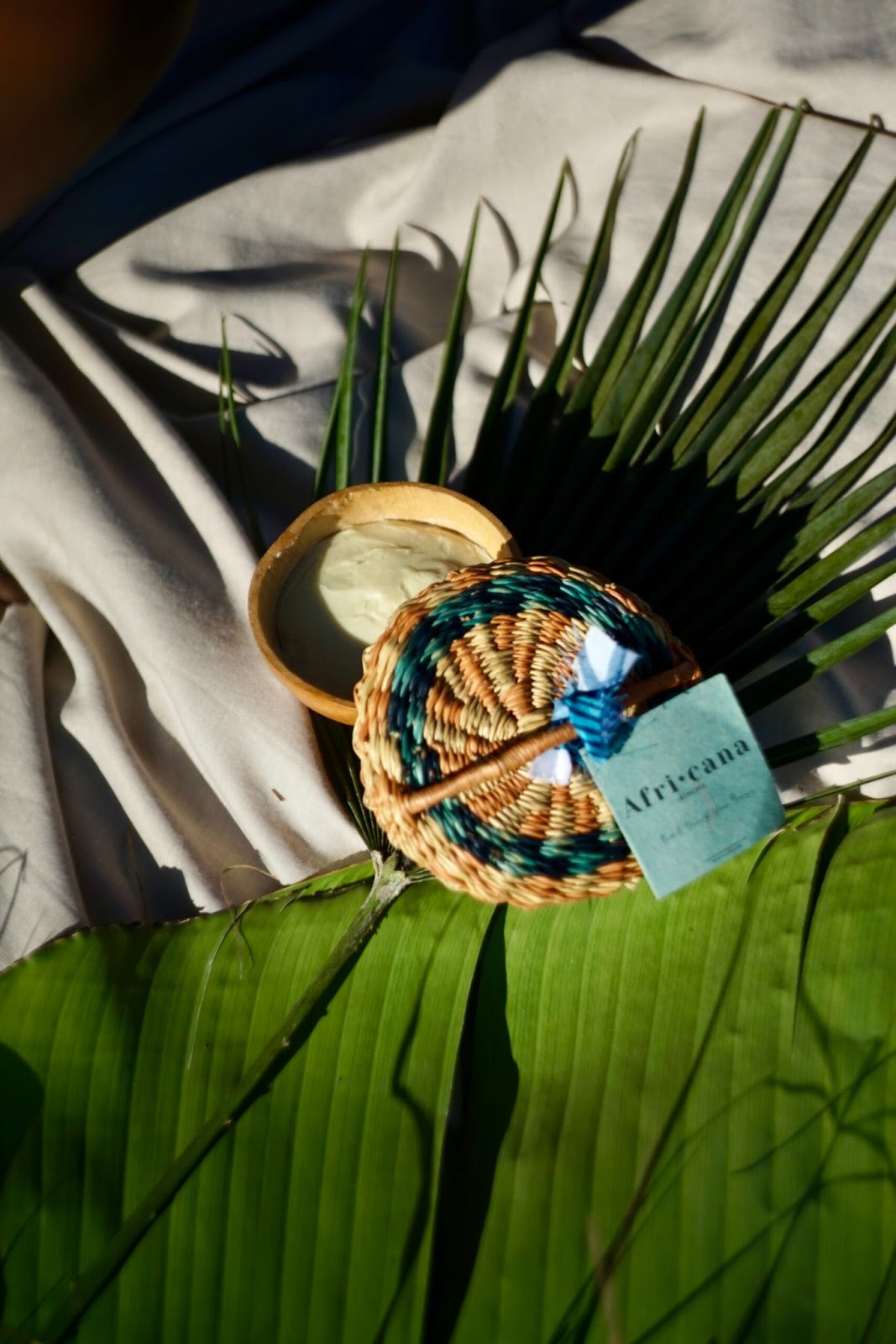
African Black Soap or Shea Butter in a Calabash:
Imagine unwrapping a unique gift this Christmas—a calabash adorned with the richness of shea butter. For centuries, African black soap has remained a well-kept secret, cherished for its potent perks. Crafted from plant-based ingredients, this soap offers a range of advantages, such as:
Get social



Made in Africa, Crafted for the World